Display Solutions Provider in Dubai – Smart Display Solutions for Modern Businesses
In today’s fast-moving business world, effective communication is the key to success. Whether it is a corporate office, retail showroom, educational institution, hospitality space, or healthcare facility, having the right display solution helps businesses deliver clear messages, improve engagement, and create better customer experiences.
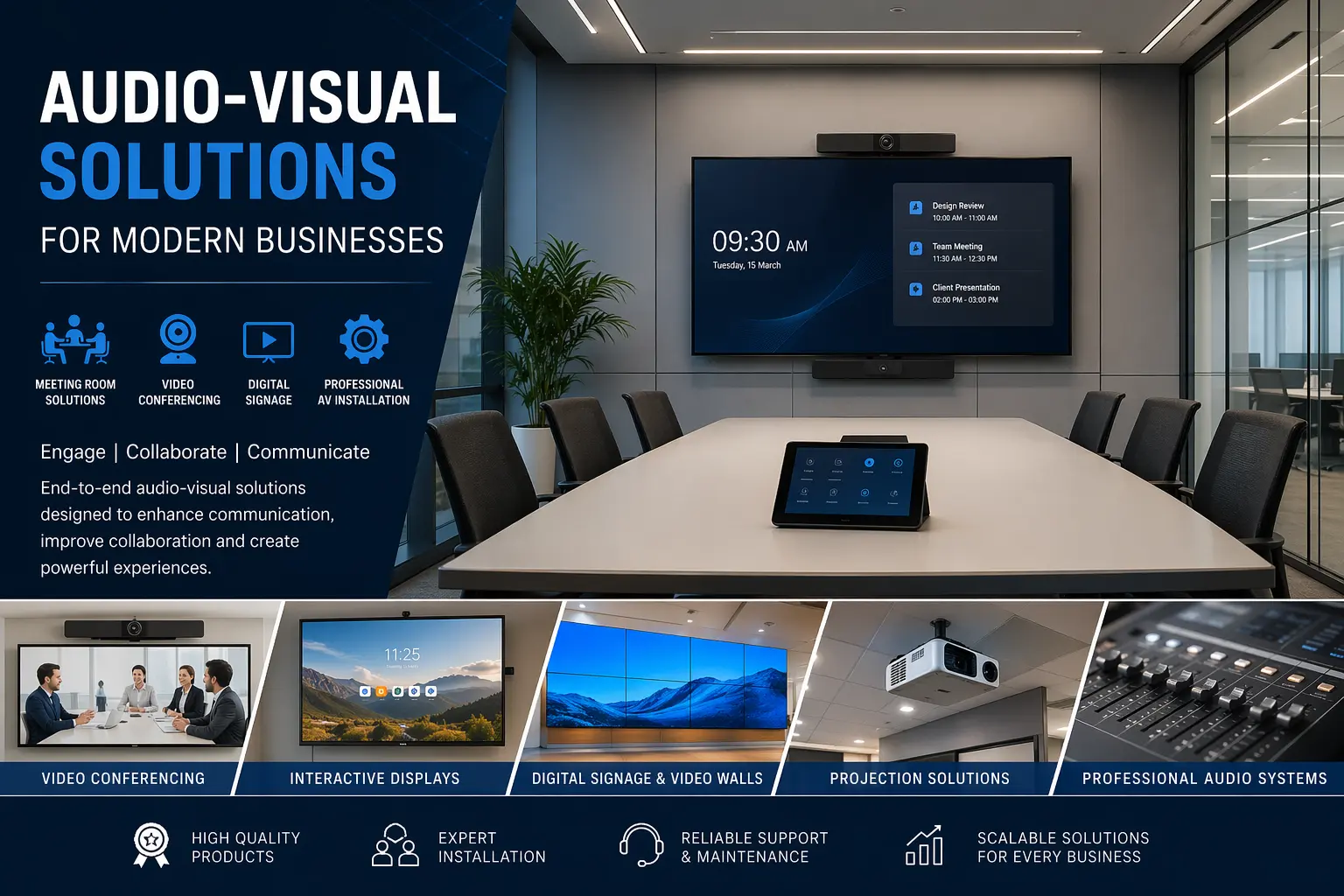
A professional display solutions provider helps businesses choose, install, and maintain advanced visual display systems that improve productivity and brand visibility. From digital signage and LED video walls to interactive touchscreens and meeting room displays, the right provider ensures smooth performance and long-term value.
What is a Display Solutions Provider?
A display solutions provider specializes in offering complete visual communication systems for businesses. This includes consultation, product selection, installation, integration, and ongoing support for display technologies.
These solutions are designed to improve internal communication, customer interaction, advertising, presentations, and collaboration across different industries.
A trusted provider does not just supply screens—they create customized display environments that match business goals and operational needs.
Types of Display Solutions for Businesses
1. Digital Signage Solutions
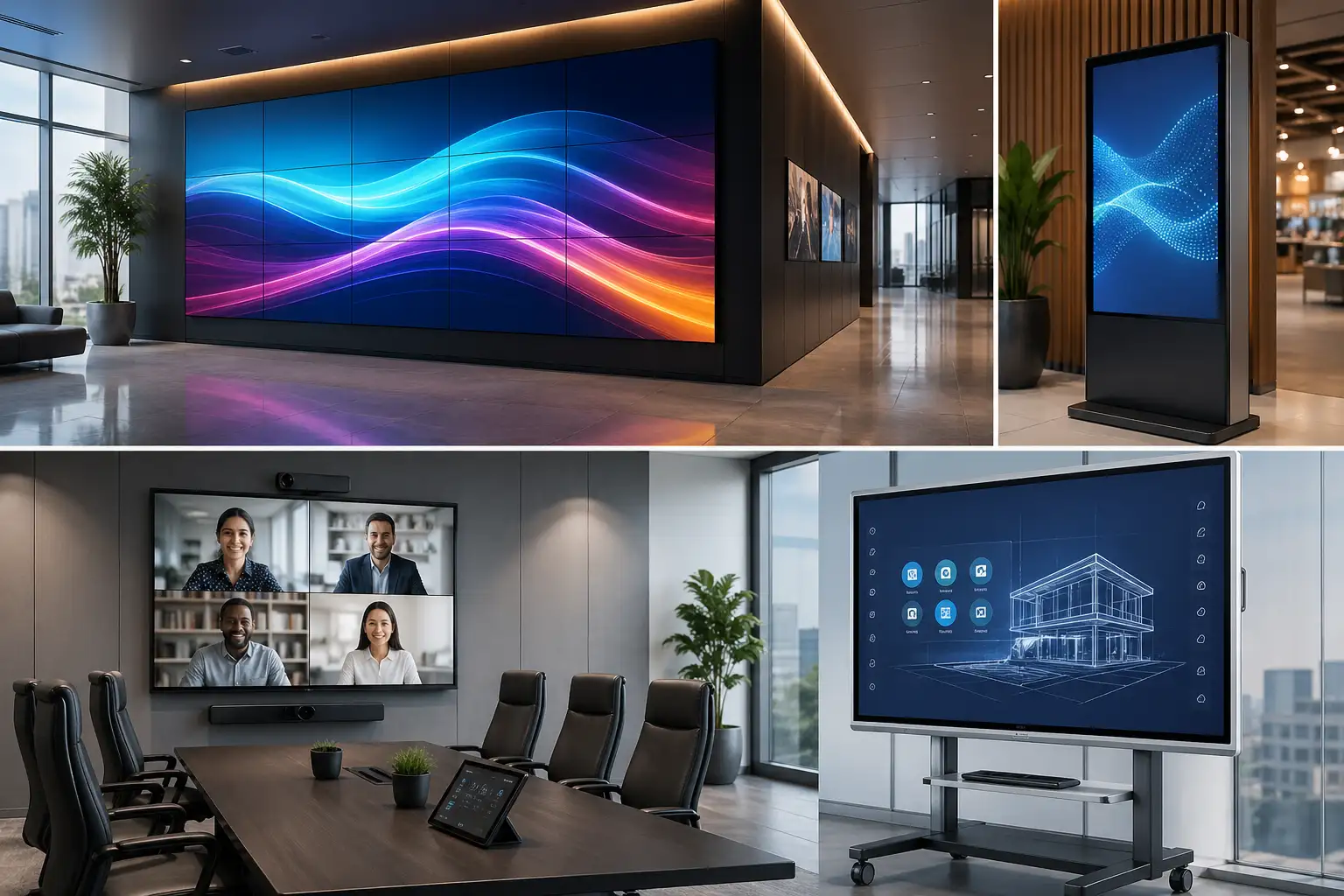
Digital signage is one of the most popular display solutions for modern businesses. It allows companies to display advertisements, announcements, promotions, menus, schedules, and important information using dynamic digital screens.
It is widely used in:
- Retail stores
- Shopping malls
- Restaurants
- Hotels
- Corporate offices
- Hospitals
- Educational institutions
Digital signage improves customer engagement and creates a more professional brand image.
2. LED Video Walls
LED video walls are ideal for businesses that require high-impact visual displays. These large-format displays are commonly used in control rooms, conference halls, event venues, showrooms, and reception areas.
They offer:
- High brightness
- Seamless visuals
- Large viewing angles
- Long-lasting performance
- Strong brand presentation
LED walls are perfect for businesses that want to create a strong visual impression.
3. Interactive Touch Displays
Interactive displays are becoming essential in meeting rooms, classrooms, and training centers. These smart touchscreens allow users to collaborate, present, and engage in real time.
They are commonly used for:
- Boardroom presentations
- Hybrid meetings
- Online training
- Educational sessions
- Team collaboration
Interactive displays improve productivity and make communication more effective.
4. Video Conferencing Displays
Modern workplaces require smart meeting room solutions. Professional display providers offer conference room displays integrated with video conferencing systems for seamless hybrid communication.
These solutions help businesses connect teams across different locations with better audio-visual clarity and professional meeting experiences.
5. Commercial Display Screens
Commercial-grade display screens are designed for continuous operation in business environments. Unlike standard TVs, these displays offer better durability, brightness, and performance.
They are suitable for:
- Reception areas
- Waiting rooms
- Retail promotions
- Airport information displays
- Public communication systems
Why Businesses Need a Professional Display Solutions Provider
Choosing the right display system is not only about buying a screen. It requires technical planning, compatibility checks, proper installation, and long-term maintenance.
A professional provider offers:
Expert Consultation
Every business has different display requirements. A provider helps identify the best solution based on space, purpose, and budget.
Professional Installation
Correct installation ensures better performance, safety, and long-term reliability.
System Integration
Display systems often need to work with audio systems, conferencing tools, control systems, and content management platforms.
Ongoing Support
Maintenance and technical support are important for uninterrupted business operations.
Industries That Benefit from Display Solutions
Many industries rely on professional display solutions, including:
Corporate Offices
For meeting rooms, lobbies, conference halls, and internal communication.
Retail Stores
For promotions, product displays, customer engagement, and branding.
Education Sector
For classrooms, lecture halls, training centers, and campus communication.
Hospitality Industry
For guest information, event management, and digital concierge services.
Healthcare Facilities
For patient communication, appointment displays, and waiting area information.
Government and Public Sector
For command centers, information boards, and secure communication systems.
Why Choose Xplus Digital for Display Solutions?
When looking for a reliable display solutions provider in Dubai, Xplus Digital offers complete end-to-end services tailored to business needs.
From digital signage and LED walls to meeting room displays and interactive screens, Xplus Digital provides professional consultation, high-quality products, expert installation, and dependable after-sales support.
Their team understands how to create customized AV and display solutions that improve communication, efficiency, and customer experience across industries.
If your business is planning to upgrade its display systems, Xplus Digital can be the right partner for long-term success.
Conclusion
A modern business needs more than traditional communication methods. Smart display solutions help improve engagement, collaboration, and operational efficiency.
Working with an experienced display solutions provider ensures your business gets the right technology, proper installation, and reliable support.
Whether you need digital signage, LED video walls, conference room displays, or interactive touchscreens, investing in professional display solutions helps your business stay ahead in a competitive market.
Choosing the right provider makes all the difference—and that is where Xplus Digital stands out as a trusted partner in Dubai and across the UAE.